


Your data deserves a European home!
Plugin Europe is the website that helps you switch to European alternatives for Big-Tech solutions. For various applications like email, chat apps, and data storage, we provide one or more alternatives.
Is this important? Absolutely. Most people use tools from Big-Tech companies like Google, Meta (Facebook, Instagram, WhatsApp), or Microsoft. There are serious privacy concerns with using these tools. You hand over a lot of personal information, and you have no idea what happens to that data, other than it being used for commercial purposes and sold to external companies. Worrying, right?
Why store your data in Europe? European privacy legislation (GDPR) gives you more control over your data. Unlike the US, where surveillance and commercial use are standard, Europe places your rights at the center. Information thus remains safer and better protected. In the US, authorities have the right to access all data stored by American companies, regardless of where in the world it is held.
Beyond privacy concerns, we are largely dependent on American solutions for our digital communication. Imagine if these solutions became unavailable one day. For political reasons, access could be restricted, or trans-Atlantic cables on the ocean floor could be severed. Unlikely? Perhaps, but certainly not impossible.
On this website, we present alternative solutions to American and Big-Tech tools.
Also check out our glossary with explanations of terms.


GMail and Hotmail/Live Mail are popular email providers. This seems logical because they are simple and user-friendly. However, the content of your emails is scanned by Google and Microsoft, your data is used for commercial purposes, and sold to external companies.
Our recommended top-3 alternatives:
- Proton Mail
- Tutta Mail
- Posteo

Chat apps
Most people use WhatsApp or Messenger to stay in touch. These apps are popular because they're easy to use and almost everyone has them. But did you know that parent company Meta tracks your chats, shares your data with advertisers, and even uses your conversations to show you targeted ads?
The best alternatives are:
- Signal
- Threema
- Session

Cloud data storage
Google Drive, Microsoft OneDrive, and Apple iCloud are the most popular choices for file storage. They are convenient and widespread, but your documents, photos, and personal data are scanned, analyzed, and often used for advertising. European cloud services offer the same ease of use—without compromising your privacy, such as:
- Proton Drive
- Sync.com
- Tresorit

Navigation apps
We trust our phones to determine our route. Mainstream apps like Apple Maps and Google Maps are very useful, but every movement you make is recorded, analyzed, and added to a profile of your habits. If you want to travel unnoticed, it's better to use a different app.
Our preferences:
- Sygic
- TomTom
- Magic Earth

Browsers
Major browsers like Chrome and Edge are good browsers, but they collect extensive data for advertising purposes.
Alternative browsers offer much better privacy and transparency without sacrificing speed. Switching to a European browser ensures your browsing behavior remains private.
We suggest the following alternatives:
- Firefox
- Vivaldi
- Librewolf

Internet search engines
Dominant search engines like Google and Bing collect massive amounts of personal data for targeted advertising, creating invasive user profiles. They often prioritize commercial results over neutrality. European search engines focused on privacy deliver relevant results without tracking your identity or storing your search history.
Three alternatives are:
- DuckDuckGo
- Mojeek
- Qwant

AI assistants
We rely on AI assistants to solve problems and spark creativity. Mainstream chatbots are very useful, but every conversation is recorded, analyzed, and used to refine their models under weak American regulation. If you value privacy, it's better to use a European alternative.
Proposed alternatives:
- Vibe (previously called Le Chat) by Mistral
- Lumo by Proton
- GreenPT

Micro blogging
We turn to blogging platforms like X to stay connected and informed. Mainstream social networks are very useful, but outrage is amplified, moderation is inconsistent, and algorithms reward division over constructive dialogue. If you value healthy conversation, it's better to use a different platform.
Alternative:
- Mastodon
Cars
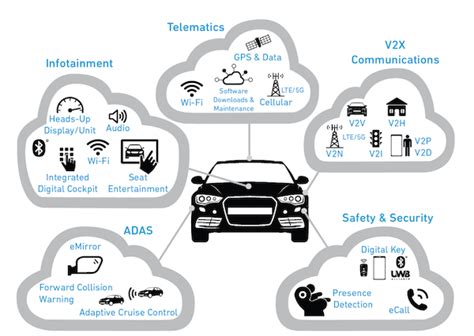
You might wonder what cars are doing in this list. But modern vehicles are driving computers, they constantly track your location, speed, and driving behavior to build a profile of your daily life. This data is used for targeted advertising, insurance pricing, or surveillance—and without strong safeguards, it may be sold, shared, or accessed by hackers.
Alternative option:
- A car produced before 2018
- Any non-Chinese or American car
Virus scanners
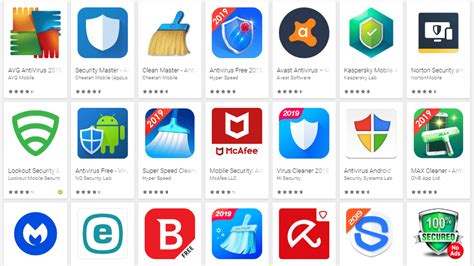
We trust antivirus software to protect our devices. Mainstream suites work well, but many collect browsing habits and file metadata for advertising or data brokers. European vendors follow stricter rules, limiting information collection and sharing.
Much safer options are:
- Bitdefender
- ESET
- G Data

TV's and media boxes
Smart TVs and media boxes ae used for streaming and home connectivity. They're convenient, but many devices collect viewing habits, voice commands, and ambient audio to build profiles for advertisers. TV manufacturers use proprietary software or platforms like Google. Media boxes typically run on Google or Apple systems.
Best choices here:
- Superbox S7 prime
- Formuler Z10 pro max
- Ugoos AM7 plus

Computer operationg systems
By far the large majority of PC's and laptops are using MS Windows or Apples macOS. We trust our operating systems to power our digital lives, but many mainstream options come with hidden costs: data collection, forced updates, and a lack of transparency.
Linux offers a refreshing alternative. Open-source, community-driven, and free from corporate surveillance, it puts you in control. Linux aligns with GDPR values and respects your digital sovereignty a truly independent OS.

Password managers
Password managers are generating and storing you passwords. Browser add-ons make it easy to automatically fill your credentials to log in on a site. No need to say that this is very sensible data that must be stored in the most secure way.
There are several alternatives, but we like these specifically:
- Proton Pass
- Passbolt
- Hypervault

VPN (Virtual Private Network)
VPNs keep your online activity private and secure, especially on public Wi-Fi at cafés, airports, and hotels. They encrypt your connection, making surveillance harder. An additional benefit is the ability to appear in a different country, allowing access to geo-blocked content.
Preferred solutions include:
- Proton VPN
- Mullvad
- NordVPN (Panama)

2 Factor Authentication (2FA)
Two-factor authentication (2FA) adds an extra security layer to your online accounts. Beyond a password, you need a second check—a code sent to your phone or generated by an app. This prevents unauthorized access even if passwords are compromised. It's simple to enable and works across most websites and apps.
Options to pick:
- Aegis authenticator (Android only)
- Proton Authenticator (free)
- Proton pass integrated (paid)

We are independent
Plugin Europe is an independent organisation. We are not sponsored by any of the mentioned companies on this site.

Autonomy to succeed
Using European alternatives not only makes you more independent, but it also strengthens the European industry and to weapon themselves against countries who don't have European interests as their first priority.

We believe in privacy
Privacy is a valuable thing to have. In the time of internet, social media and AI it is important to keep control of your data and not let other companies make money with your data or misuse them!
And remember: A service is never free, you either pay with money or with your data!
